‘I feel like I will be someone’: graduating seniors venture forth with honors

As the school year draws to a close, college looms big and bright for Corina Rodriguez and her fellow graduating seniors at Pescadero High.

One hundred percent of the 21 seniors in Rodriguez’s class are college-bound. The majority (81 percent) applied to 4-year colleges and were provisionally accepted based on their last transcript. Another 19 percent chose to enroll in community college, with the option to transfer to a 4-year college, according to Pat Talbot, Principal of Pescadero High.
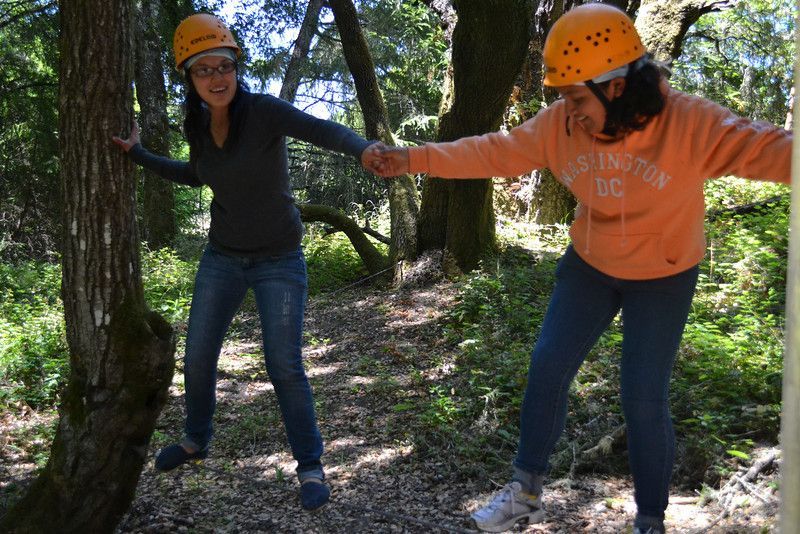
Corina (left)

Corina (left)

Every one of those students will leave behind Pescadero’s rural comforts for the larger world, at least for now – some will live on campus and others will take the drive over the hill every day for school. There is little doubt that Rodriguez will make the most of it. The buoyant, brightly expressive 17-year-old is the youngest in her class and also one of the highest achievers. She’s earned ‘outstanding student’ credits for chemistry, math and English. She’s played every sport at school. Now she has the delicious dilemma of choosing between two 4-year colleges: Notre Dame de Namur, a private school, and Cal State Monterey Bay.

“I feel like I will be someone. I need to get out of Pescadero for a bit but I will come back later on,” says Rodriguez.

Rodriguez is exemplary in other ways. She speaks perfect English and perfect Spanish, and she is one of three graduating students who will receive the State of California’s Seal of Biliteracy, the first time this honor has been given to students at Pescadero High.
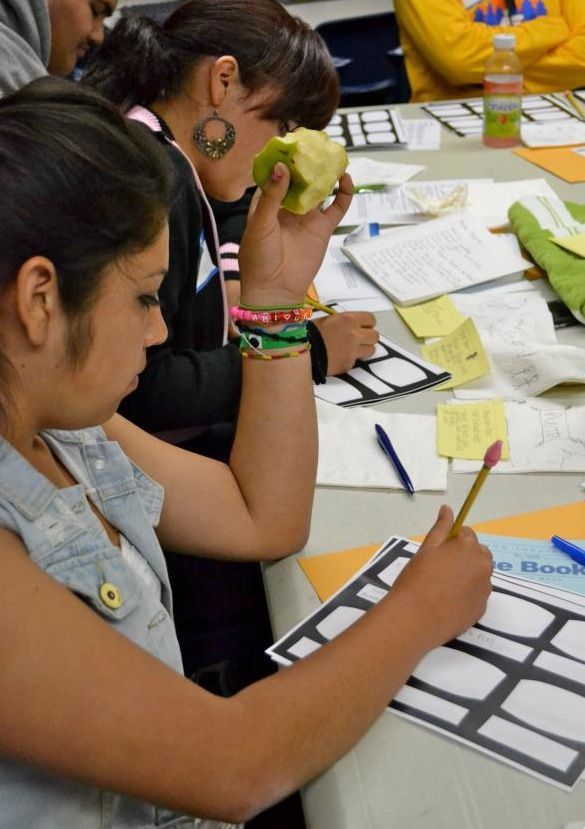
Ari Sandi, recipient of the State of California’s Seal of Biliteracy

Ari Sandi García, recipient of the State of California’s Seal of Biliteracy

Puente’s Academic Director, Suzanne Abel, approached the school district with information about the Seal of Biliteracy after she learned of it last year. It is her hope that it will become a point of pride for the students as well as a resume-builder.

“It will underscore to bilingual kids that they have a set of skills worth honing that normally aren’t recognized,” Abel says.

This came as an “awesome” surprise to Rodriguez, who got the news of her award a few weeks before the end of the school year.

“Everyone knowing that you can speak English and Spanish almost perfectly is great. You don’t have to brag about it to anyone, because they’ll see that seal,” she says.
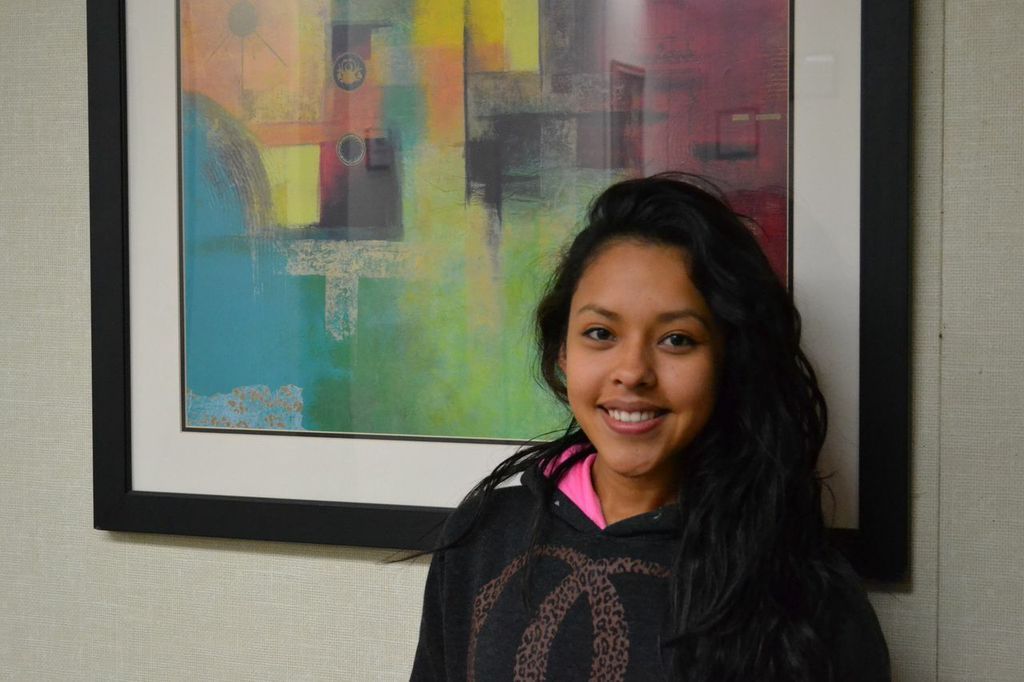
Lorena Calvillo, recipient of the State of California’s Seal of Biliteracy

Lorena Calvillo, recipient of the State of California’s Seal of Biliteracy

Rodriguez also joins six other Puente youth in earning a Youth Bridges Scholarship this year. Puente sends students to college with up to $450 for books and tuition, depending on the number of years they have worked for the nonprofit.

Money is a major factor in students’ college decisions. The amount of financial aid a low-income student may receive almost never covers his or her tuition, room and board, known as the “tuition gap.” The gap disproportionately affects American minority students and the resulting student loans can bury them in debt for decades, according to a report from the Center for American Progress.
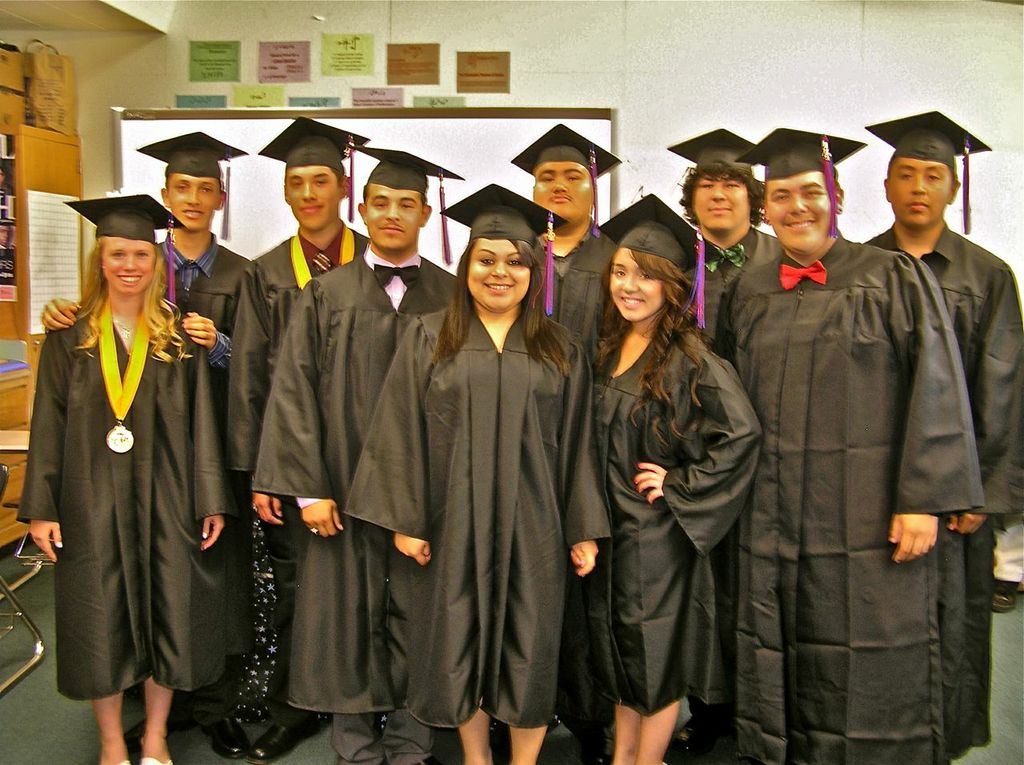
2012 Youth Bridge Scholarship Earners

2012 Youth Bridge Scholarship Earners

Financial considerations can compel a student to choose a two-year community college program over a four-year college, says Puente Program Director Rita Mancera.

“The graduating class will need to get big funds for tuition. They’re hoping they’ll get a substantial offer from the university,” says Mancera.

Regardless of the college she chooses, Rodriguez says the Youth Bridges Scholarship money will help smooth her way in her first semester. With her father injured and unable to work, Rodriguez’s mother has already had to stretch her wages to help cover college tuition for Rodriguez’s two older siblings; both graduated from University of California, Santa Barbara.

“My parents have stretched to educate all of us, but at great sacrifice — they don’t have that money to just give away without worrying about it,” she says. She hopes that the money that she has saved, scholarships and financial aid will help her fulfill her dreams of college.
Lost in translation: interpreters help bridge parent-teacher communication gap

Nowhere is California’s language divide more evident than in schools – not only between English-speaking teachers and students who are English Language Learners, but also between teachers and students’ parents, who sometimes speak no English at all.

For years, the all-important parent-teacher conference has been a frustrated exercise in imperfect communication for both teachers and parents in the La Honda-Pescadero Unified School District. That began to change this spring, when the school district asked Puente to help to recruit Spanish-English interpreters to broker the parent-teacher meetings that occurred in April.

For the first time, students themselves were absolved of having to “stand in” as a translator at meetings where teachers discuss their progress with their parents. Both Puente and the school district realized this created a potential conflict of interest, among other issues.

“These teens are in the interpreter role when the subject is them. This immediately struck me as awkward at best. It’s also an inversion of position of authority within the family,” says Suzanne Abel, Puente’s Academic Director.

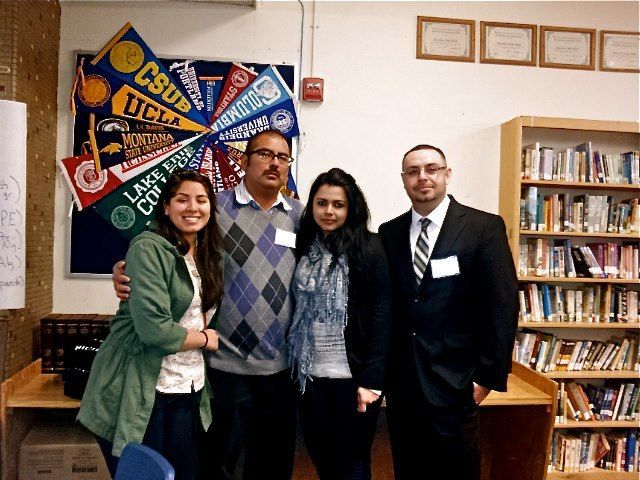
Interpreters from SF State

Interpreters from SF State

Pescadero Middle/High School Principal Pat Talbot was equally concerned. At her behest, Puente worked hard to recruit 12 bilingual interpreters whom gave up their work or school commitments to spent one or two days in back-to-back parent-teacher meetings.

In addition to their facility in Spanish and English, this crop of highly qualified interpreters was sourced from graduate programs at Stanford University and from the Teaching Assistants in Prof Larry Trujillo’s San Francisco State University class. Some are training to be educators themselves or already have professional education backgrounds.

The results were outstandingly helpful, says Randy Vail, an English and History/Social Studies teacher. He effusively praised his translator, Eduardo Muñoz Muñoz, who is a PhD student at Stanford and a former school principal in Oakland, born and raised in Spain.

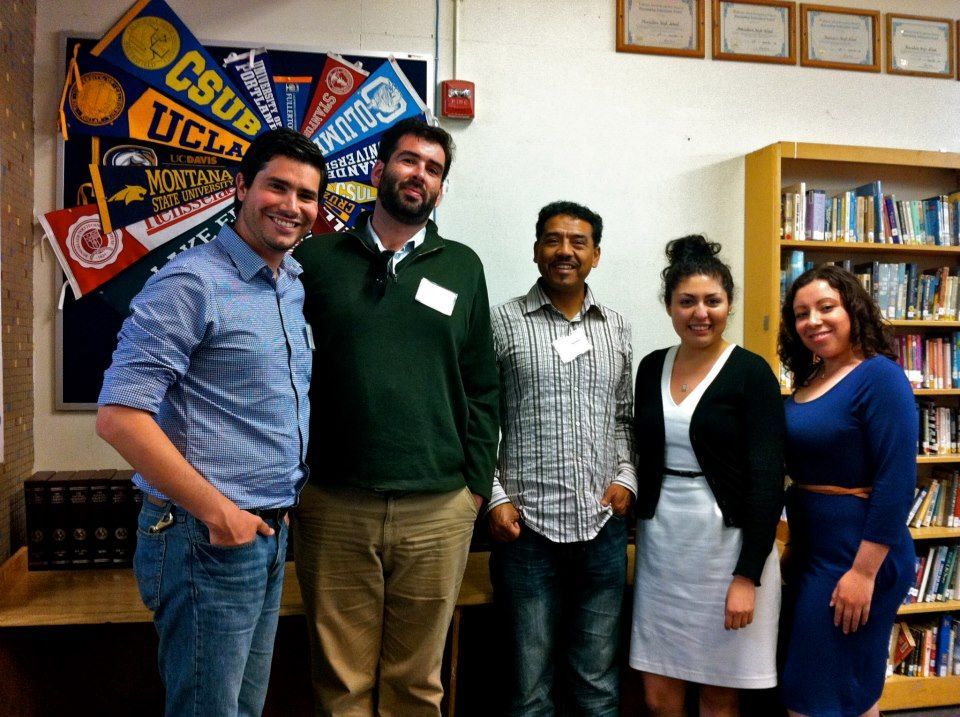
Interpreters from Stanford

Interpreters from Stanford

For parents, too, it was a revelation. Many parents understood for the first time how a student was expected to perform – school behavior, homework, and teacher/parent support – all were put in the context of student success.

While some students may have been less than thrilled that their parents are now getting a fuller picture, it’s important for students, parents and teachers to partner to make academic performance a high priority.

The school district holds parent-teacher conferences twice a year. Puente is now working on finding resources to help the schools pay the interpreters. Abel says she would like to see a sustained program at Stanford University to train and recruit parent-teacher interpreters.


To learn more about the interpreter program or to make a donation, contact Academic Director Suzanne Abel at (650) 879-1691 ext. 149; or sabel@mypuente.org.

Education grant brings college into focus

For many first-generation high school graduates, going to college starts with a vision. They have to see themselves on campus, in the classroom, in the library. Studying, making friends, and succeeding.

But how can you begin to imagine spending four years at Stanford, or a CSU, for example, if you grew up on a farm?

“When you’re from a different socioeconomic background, you grapple with how you fit in at college,” says Emeritus Professor of Medicine, Marilyn Winkleby, a health researcher and epidemiologist at Stanford.

rvPmgHRh2lpCFxIAlOOi9yat6sv9CdXlE3XiOx3qx50

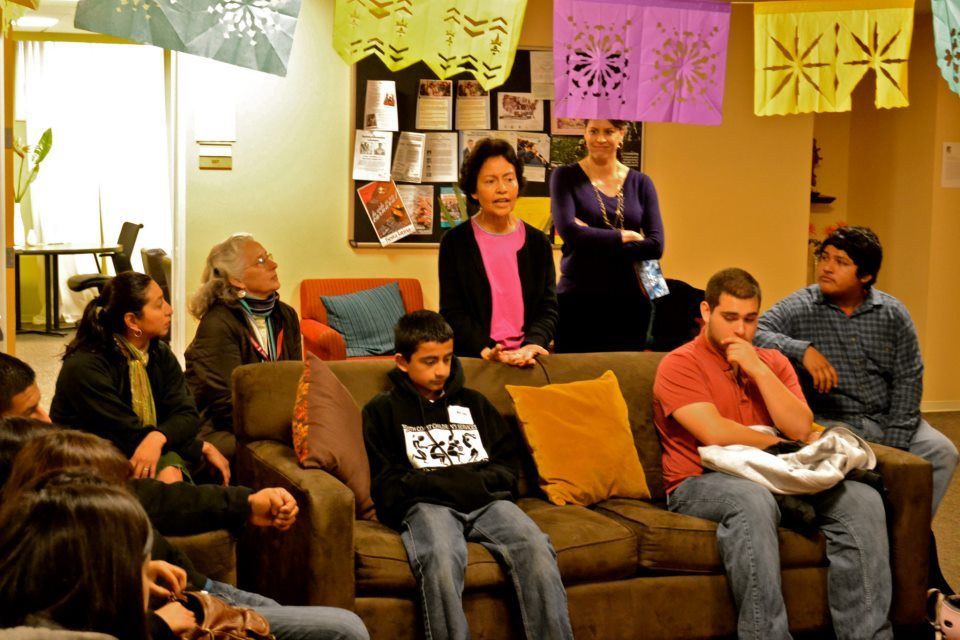
PHS students at Stanford’s El Centro Chicano

Winkleby would know. She grew up very modestly in a rural town in Southern California. Her parents, who had not gone to college, raised avocados and chickens on 2-acre farm. When she graduated from high school in the 1960s, Winkleby enrolled at Sacramento State because the tuition cost only $52 per semester.

“I didn’t know how to navigate the system. I didn’t even know there was a difference between colleges. My parents always said, ‘Just go to college,’ says Winkleby.

Winkleby’s new nonprofit, the Access to Achievement Education Foundation, has provided Puente with a $5,000 education grant to help smooth students’ transition between high school and college and to provide concrete experiences that enable them to have first-hand experiences of life at college.

MbkoTRQhFGNe91pAmG4PZ4pBLeHPT3fgubaFv80svFE

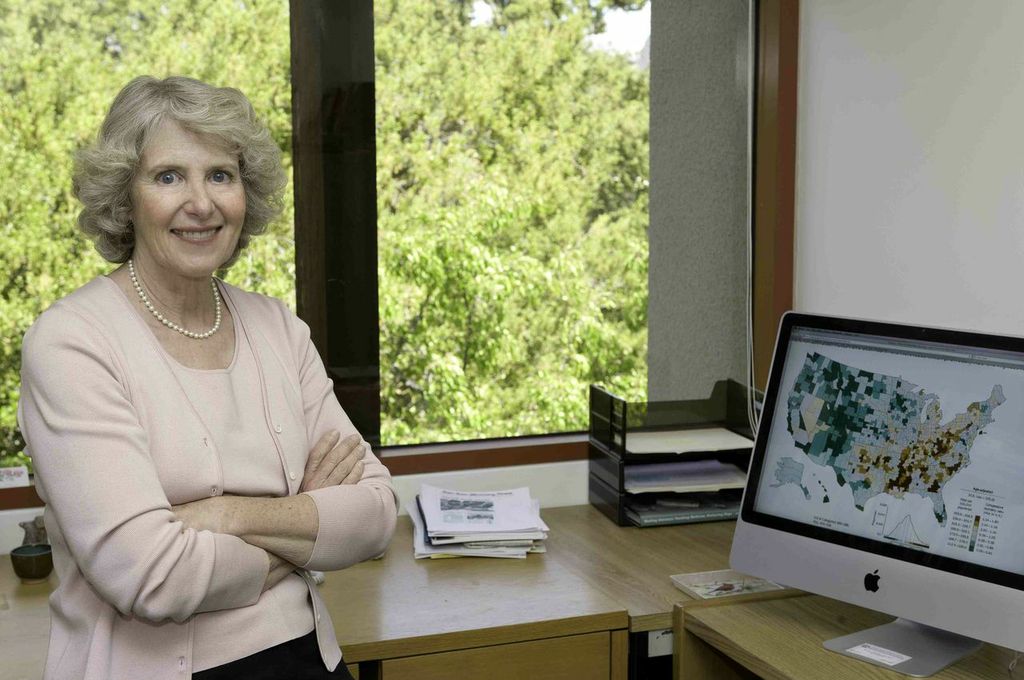
Marilyn Winkleby

Many promising youth struggle to afford basic necessities for school. For some students, that can mean book fees or gas cards to attend educational conferences or competitions. In Puente’s case, the bulk of the money has gone toward big-picture college planning ventures, like Puente youth trips to Stanford, Foothill and Cañada Colleges. The field trips included student panels, staff and faculty presentations tailored to the first-generation, primarily Latino students.

“We had 7-10 students at each school talk about their individual experiences, what mistakes they’d made and what advice they would offer,” says Suzanne Abel, Puente’s Academic Director.

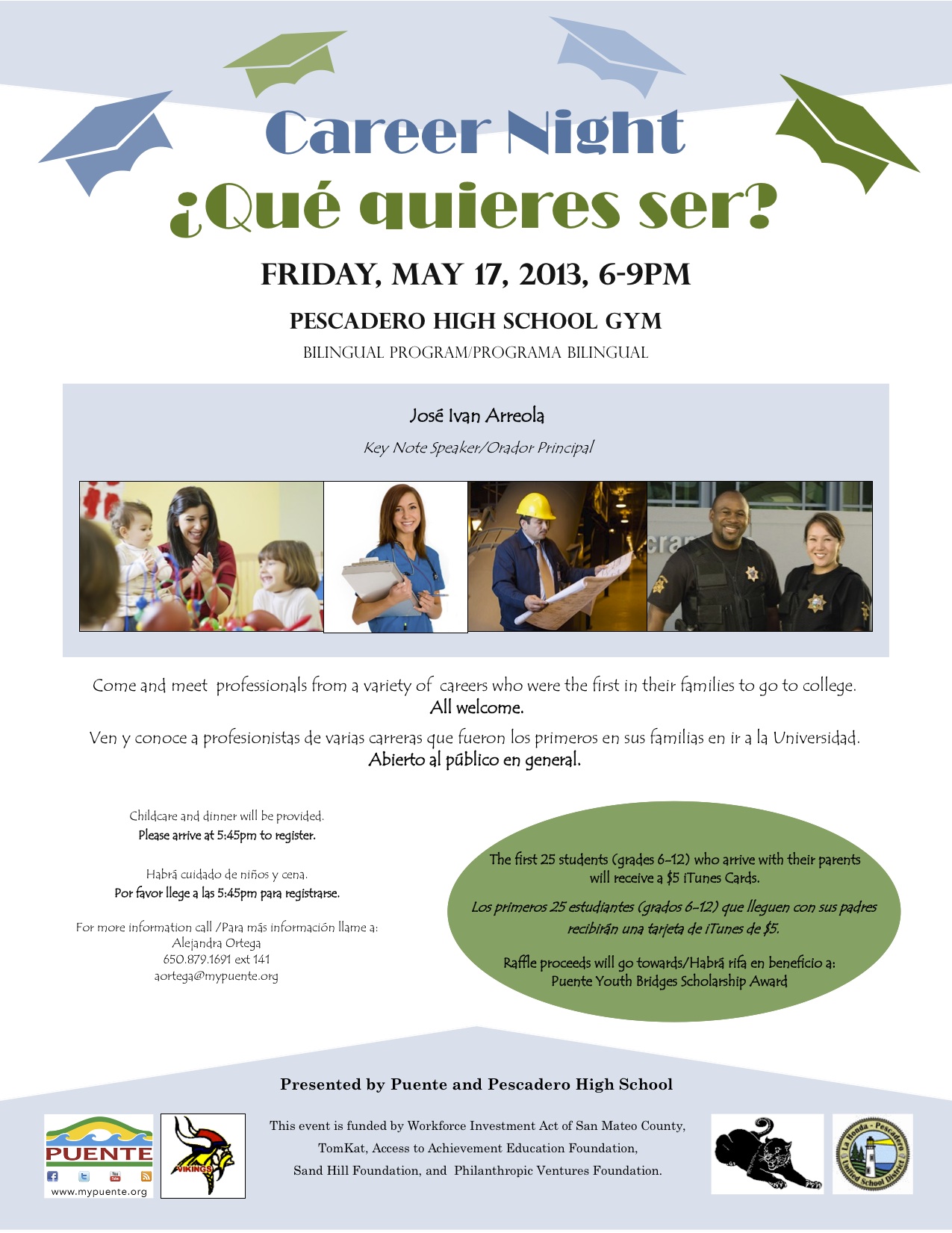
The biggest single event supported by the grant is Puente’s second annual Career Night on May 17, an evening of talks with 10 Latino, bilingual first-generation college graduates who are leading successful careers in a variety of fields. Career Night will draw as many as 150 students and their parents, making it one of the larger events in town.

“There are always things we want to do to help kids imagine college, but we don’t have dedicated funds to do it. So it’s really nice to have money we can invest in these specific efforts,” says Abel.

qNpvrcJACppaWyHPBNx_wcj9VluyfDUF8mAFHYtUZ-A

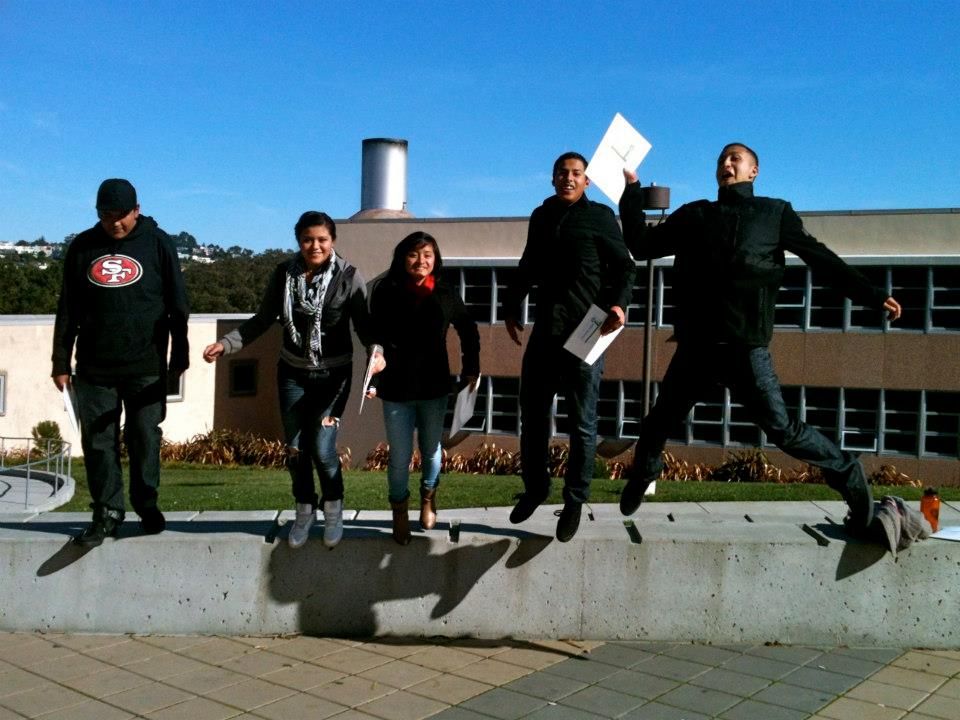
PHS students jump into SF City College

The grant money will also help Puente launch summer classes in Algebra 2 and language arts with a focus on journalism and digital storytelling.  The classes will help students earn additional credit and/or improve a low grade from the prior academic year. The La Honda-Pescadero Unified School District does not offer summer school for high schoolers, but is co-funding the Puente classes.

Finally, Puente is working on a re-launch of a UC Santa Cruz mentoring program, which will allow students from UCSC to work with high school students in Pescadero. The Pescadero youth will meet real-life college role models, and the college students get leadership and service experience in a public educational context.

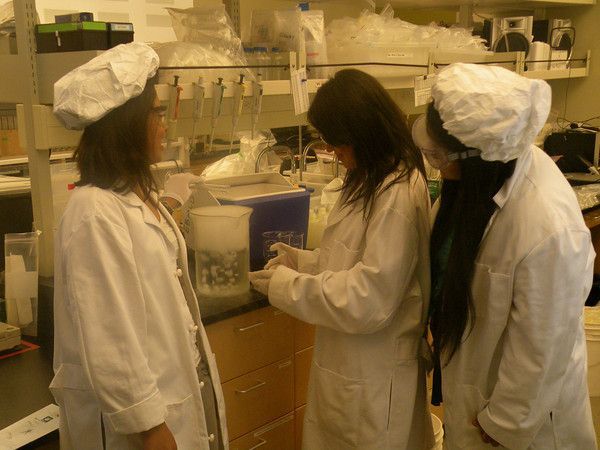
Students at a UCSC lab

Students at a UCSC lab

Winkleby’s ultimate goal – to give students the tools to reach their potential – has much in common with her Stanford Youth Medical Science Program, which brings 24 gifted science students from low-income backgrounds to Stanford each summer. Nearly 550 students have graduated from the program since Winkleby founded it with two students almost 25 years ago. Many students go on to pursue degrees in a medical field. But they also retain their links with the places they grew up in, and carry the ball forward by making a difference in those communities.

“They become the educated ones, and the role models,” says Winkleby.